
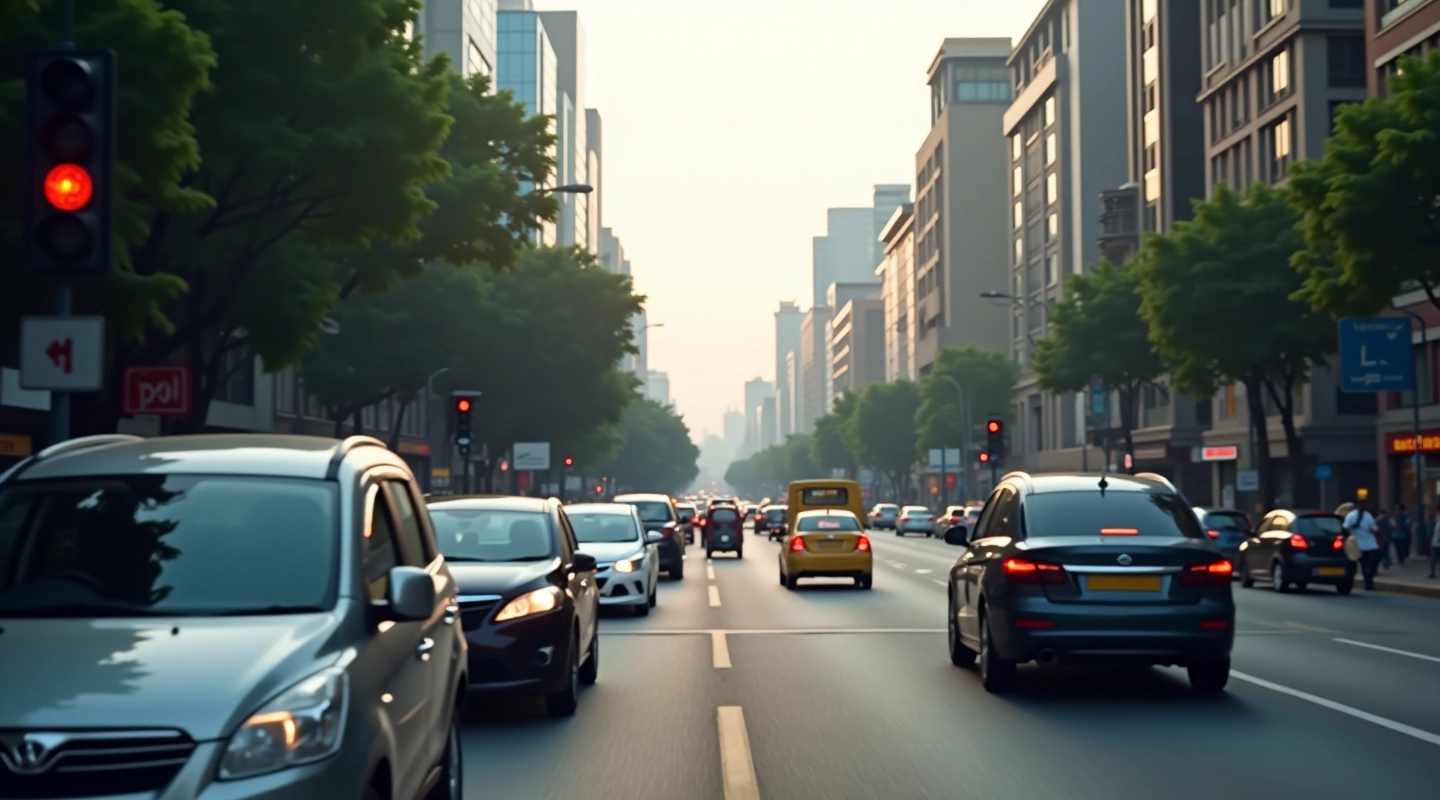
How Computer Vision Detects Traffic Patterns in Real Time
Learn how AI cameras analyze vehicle movement, speed, and density to provide instant insights that improve signal timing and reduce delays.
Read GuideAI-driven signal optimization reducing congestion across Bangalore’s road networks in real time
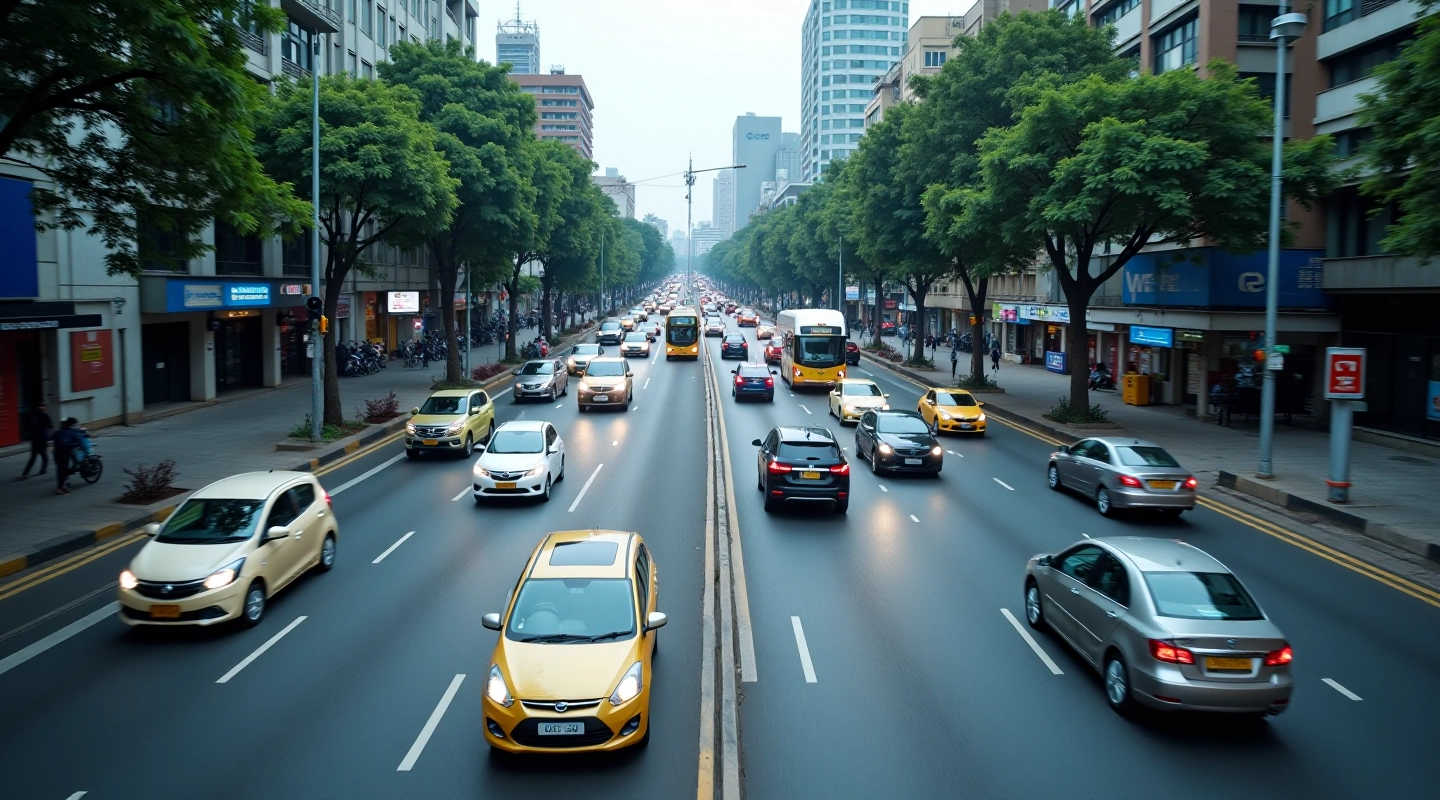
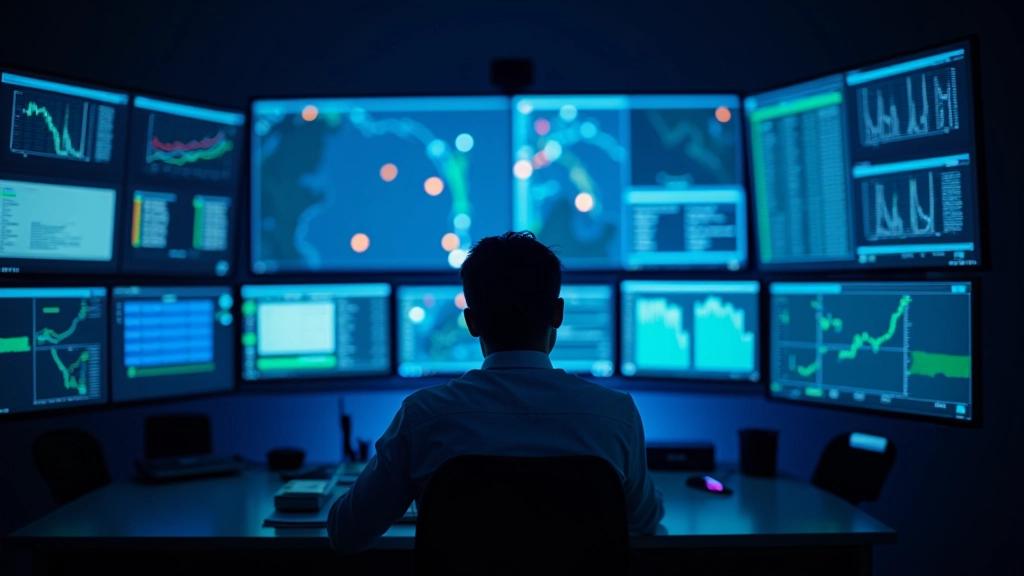
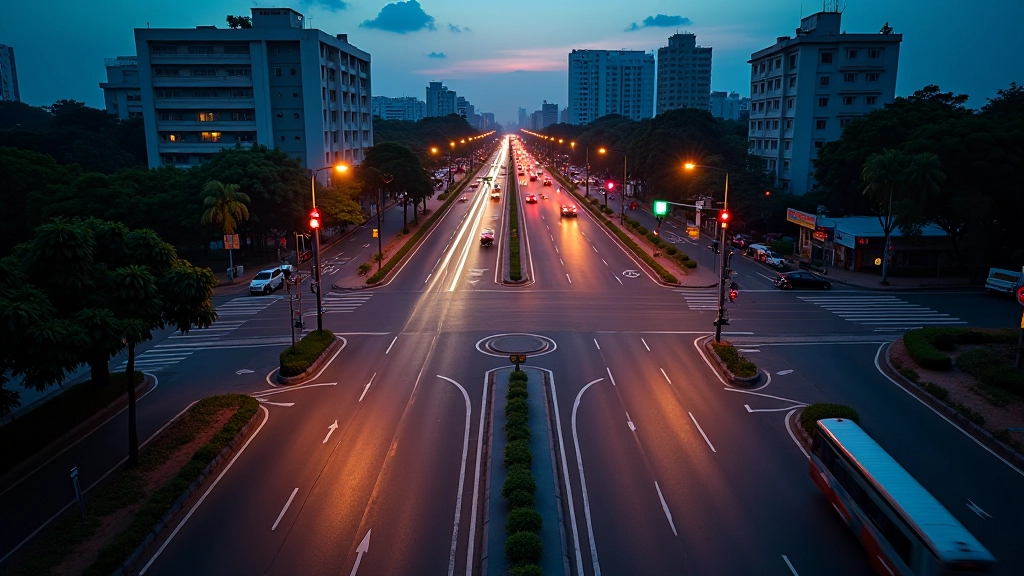
We’re transforming how cities manage traffic flow. Using advanced computer vision and machine learning, we analyze real-time vehicle data to optimize signal timing, reduce delays, and improve safety across urban road networks.
Computer vision cameras capture vehicle movement, speed, and density across intersections. Instant analysis provides actionable insights for signal adjustment.
Algorithms learn traffic patterns from historical and live data. Predictive models anticipate congestion and adapt signal timing proactively.
Detection systems identify pedestrians, cyclists, and vulnerable road users. Signal timing adapts to protect everyone crossing the intersection.
Detailed metrics track wait times, vehicle throughput, and emissions reduction. Data-driven insights reveal network bottlenecks and optimization opportunities.
Signals across multiple intersections coordinate in real time. Network-wide optimization reduces total travel time and improves traffic flow efficiency.
Algorithms adjust automatically to changing conditions—rush hour, special events, weather impacts. No manual reconfiguration needed for different scenarios.
Fixed schedules regardless of actual traffic conditions
No real-time adjustment to traffic flow changes
Limited visibility into traffic patterns and network performance
Manual observation only, reactive incident response
Independent intersection control, no network optimization
Dynamic adjustment every minute based on live traffic data
Instant reaction to traffic changes, predictive adjustments
Comprehensive analytics, traffic pattern analysis, performance trends
Continuous computer vision detection, automated safety responses
City-wide network coordination, optimal flow across all intersections
Explore our guides on computer vision, traffic optimization, and smart city technology
Learn how AI cameras analyze vehicle movement, speed, and density to provide instant insights that improve signal timing and reduce delays.
Read Guide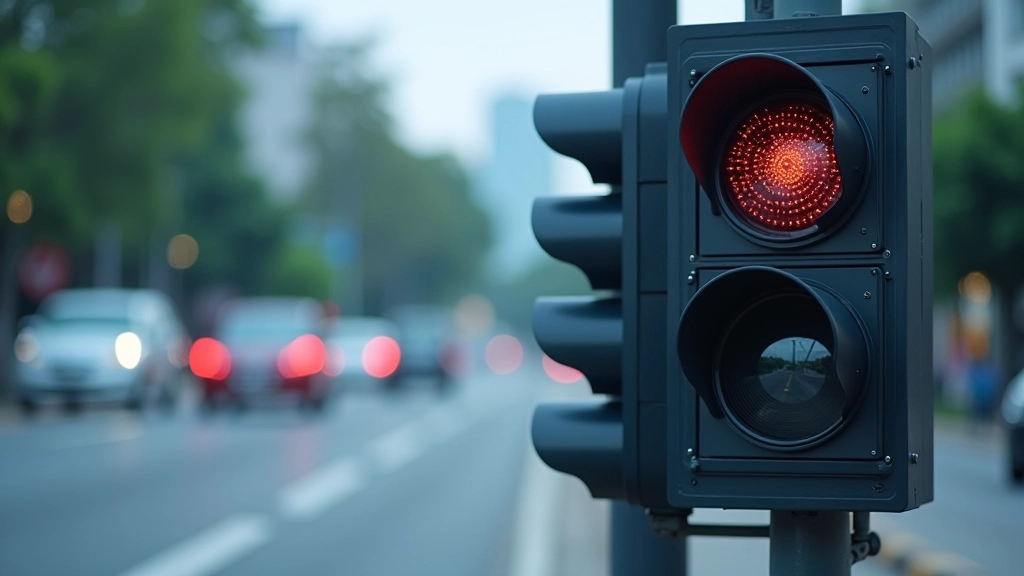
Discover how machine learning algorithms adapt traffic signal timing based on live traffic data, reducing wait times and improving overall network efficiency.
Read Guide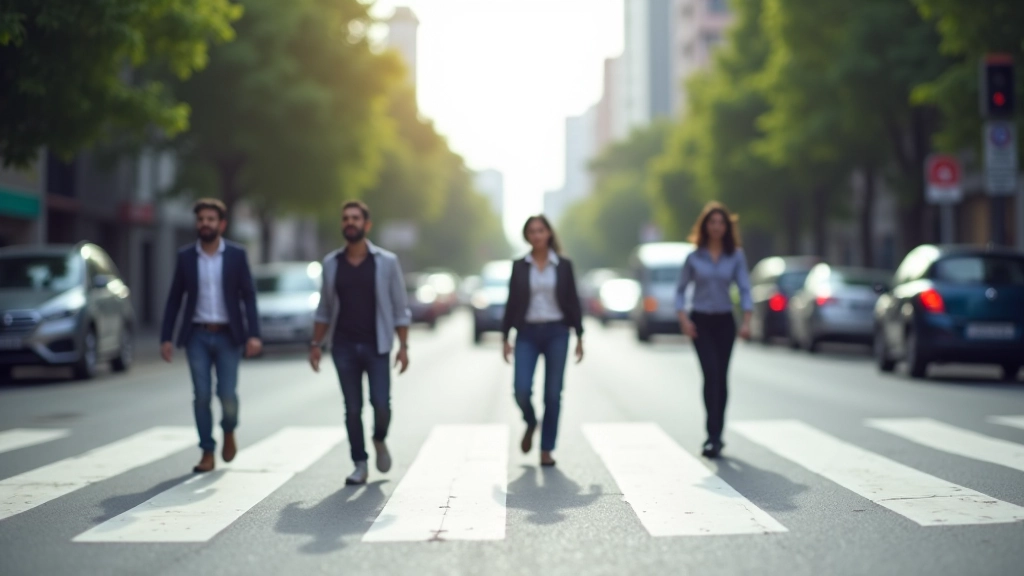
Explore how computer vision systems identify and track pedestrians, cyclists, and vulnerable road users to improve safety and reduce accident risk.
Read GuideA complete cycle from detection to optimization happens every minute
Vision cameras record vehicle and pedestrian movement at intersections
AI algorithms extract vehicle count, speed, direction, and pedestrian presence
Machine learning models calculate optimal signal timing for current conditions
Signals adjust automatically to maximize flow and minimize delays
What drives our approach to traffic management technology
Reduce wait times and improve vehicle throughput across the network
Protect pedestrians and vulnerable users with intelligent detection
Lower emissions by reducing idling time and traffic congestion
Share research and best practices for smarter city infrastructure
Key approaches used in our research and implementations
Explore our comprehensive guides on computer vision technology, traffic optimization strategies, and smart city solutions. Connect with us to discuss how these technologies apply to your city’s challenges.
We use cookies to improve your experience and analyze traffic. By continuing, you agree to our cookie policy.